Busy waste collection routes require dependable vehicles, efficient loading systems, and careful coordination between drivers, operators, and fleet managers. Commercial collection schedules often involve numerous stops, changing traffic conditions, and different container sizes. When a truck experiences unexpected downtime or cannot handle the demands of its route, the effects can extend across the entire day’s schedule.
McNeilus refuse trucks are designed for demanding refuse collection work, with different vehicle configurations suited to different operating environments. Selecting the right truck can help waste management companies improve route consistency, maintain service standards, and plan their fleet resources more effectively.
Understanding the Challenges of Busy Waste Routes
A busy collection route may include commercial properties, industrial locations, retail centers, restaurants, and residential developments. Each stop can create different challenges. Narrow access points, poorly positioned containers, traffic congestion, heavy loads, and limited collection windows can affect how quickly a crew completes its work.
Fleet managers must consider these conditions when assigning vehicles. A truck designed for one type of collection may not be the best choice for another. The correct body style, lifting arrangement, capacity, and chassis configuration should reflect the waste volume and physical layout of the route.
Route planning also influences productivity. Grouping nearby stops, scheduling collections around traffic patterns, and confirming that containers are accessible can reduce unnecessary travel and delays. Even a capable refuse truck performs better when the route is organized around its strengths.
Selecting the Right McNeilus Refuse Truck
McNeilus offers different refuse truck configurations to support varying collection requirements. Front loaders are commonly used for commercial waste collection where compatible containers can be lifted from the front. Rear loaders and side loaders can serve other applications depending on container type, collection method, and route conditions.
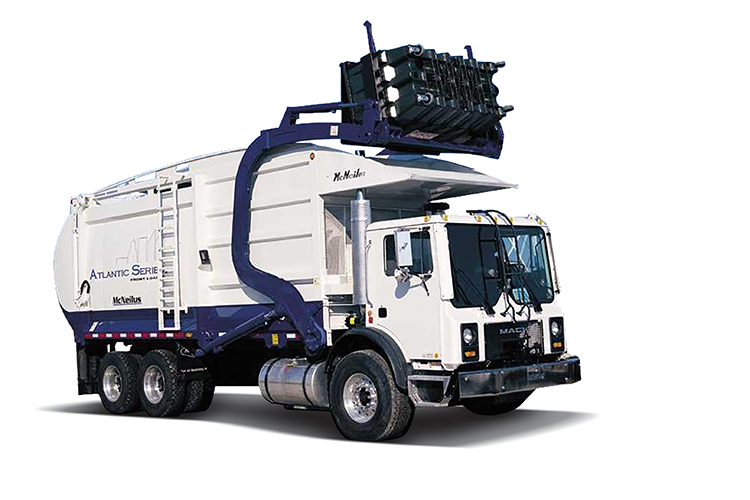
For commercial fleets that rely on front-loading operations, a McNeilus front loader may be an appropriate option to evaluate. The McNeilus front loader lineup includes the Atlantic Series and Meridian models. These options offer different design priorities, making it important to compare their specifications with the fleet’s operating needs.
Before selecting a vehicle, managers should review expected container weights, route distances, turning requirements, legal weight limits, maintenance access, and the type of waste being collected. A detailed evaluation helps prevent the common mistake of choosing a truck based on purchase price or body capacity alone.
Supporting Consistent Collection Cycles
Collection productivity depends on how smoothly each stop fits into the overall route. A vehicle must arrive at the location, position safely, lift the appropriate container, transfer the waste, and return to the road without unnecessary delays.
A front loader can support a consistent process when containers are compatible with the lifting equipment and placed in suitable locations. Drivers must also understand site restrictions, pedestrian activity, overhead obstructions, and vehicle positioning requirements.
Good communication between dispatchers and drivers can help crews manage unexpected problems. If a container is blocked, a site is inaccessible, or a mechanical issue appears, reporting it promptly allows managers to adjust the route and make appropriate decisions.
The truck itself is only one part of the collection process. Proper training, well-maintained equipment, realistic scheduling, and accessible containers all contribute to effective route performance.
The Importance of Payload and Capacity Planning
Payload is a key consideration for waste collection fleets. A truck that fills too quickly may require additional trips or a change in collection strategy. However, selecting a vehicle with the largest possible body is not always the most efficient decision. Chassis weight, legal limits, waste density, access conditions, and the type of collection work must all be considered.
Fleet managers should examine typical and peak waste volumes before purchasing a refuse truck. Routes serving restaurants or industrial businesses may produce different loads from those serving offices or retail stores. Seasonal changes and customer growth can also affect collection requirements.
A properly matched McNeilus refuse truck can help operators balance capacity with maneuverability and operational demands. Vehicle specifications should be verified with the dealer and compared against local regulations and the intended use of the truck.
Reducing Downtime With Preventive Maintenance
Busy routes leave little room for unexpected repairs. If a refuse truck becomes unavailable, a fleet may need to move another vehicle from a different route, delay service, or arrange additional working hours. These disruptions can increase costs and affect customer satisfaction.
Preventive maintenance is an important way to manage this risk. Daily inspections, scheduled servicing, fluid checks, tire assessments, brake inspections, and hydraulic system evaluations help fleet teams monitor vehicle condition. Maintenance intervals should follow the manufacturer’s guidance and account for the truck’s workload.
Drivers should report warning lights, unusual hydraulic behavior, leaks, reduced lifting performance, and abnormal sounds as soon as they appear. Prompt investigation can help identify problems before they develop into more significant failures.
Fleet managers should also track recurring repairs. If a component repeatedly requires attention, maintenance records can help technicians investigate the underlying cause rather than repeatedly addressing the same symptom.
Making Parts and Service Easier to Access
Reliable parts and technical support can make a significant difference when repairs are necessary. The ability to identify the correct replacement component and obtain qualified service helps fleet managers plan repairs more efficiently.
Ten-8 Industrial provides parts and service support for McNeilus refuse trucks, including refuse body diagnostics, hydraulic system service, and mobile service capabilities. These resources can help operators address maintenance needs while managing the demands of daily collection work.
Fleet managers should establish service contacts before a breakdown occurs. Understanding how to request parts, schedule repairs, and access technical support can make the response to unexpected problems more organized. Keeping maintenance records and identifying the truck’s model and component details can also help technicians assess service needs.
Using Technology and Driver Training Effectively
Diagnostic technology can help technicians identify certain faults and narrow down potential causes. Some McNeilus front loader configurations offer optional in-cab diagnostic capabilities, depending on the model and equipment selected.
Technology should complement, rather than replace, good operating practices. Drivers need appropriate training in vehicle controls, safe positioning, loading procedures, inspection routines, and emergency response. They should follow operating instructions and avoid using equipment in ways that exceed its design limits.
Refresher training is valuable when routes change, new equipment is introduced, or recurring operational issues are identified. Consistent procedures can help different drivers operate vehicles more predictably across a fleet.
Planning Routes for Long-Term Efficiency
Fleet managers can improve performance by reviewing route data, service records, fuel or energy use, and vehicle availability. These measurements can reveal which routes require excessive travel, which trucks experience frequent repairs, and where collection schedules may need adjustment.
A useful review should consider both productivity and safety. Shortening a route is not beneficial if it creates unsafe maneuvers, unrealistic deadlines, or excessive workload for operators. Sustainable improvements come from balancing service expectations with practical operating conditions.
Conclusion
Busy waste routes require a combination of suitable equipment, careful planning, trained operators, and dependable maintenance. McNeilus refuse trucks offer configurations for different collection applications, including front loaders designed for compatible commercial waste containers.
By selecting equipment based on real route requirements and planning for maintenance from the beginning, waste management companies can work toward greater reliability and fewer avoidable interruptions. Support from Ten-8 Industrial can also help fleet managers address parts and service needs as they maintain their vehicles and serve customers.